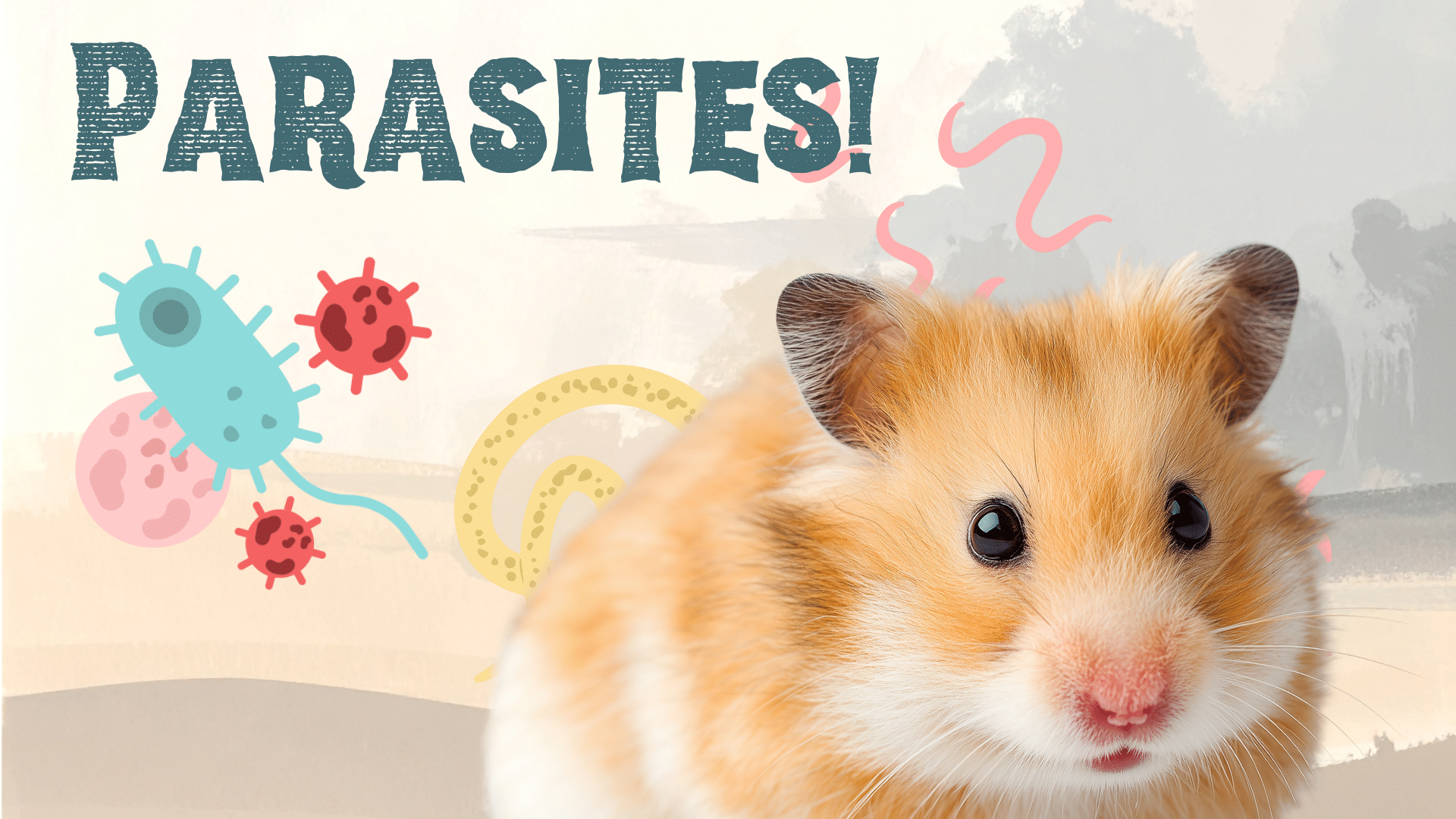
Pet parasites can be easy to overlook, especially when your pet seems perfectly healthy. Fleas can hide beneath fur, ticks may go unnoticed, and internal parasites often cause few obvious signs at first. Prevention helps protect pets before these unwanted guests have a chance to cause problems.
At Fleur Pet Hospital in Des Moines, IA, we care for cats, dogs, rabbits, pocket pets, avians, and pot-bellied pigs. Our preventive care services give pet owners practical ways to stay ahead of health concerns, including parasites.

Pet Parasites Come in Many Forms
Parasites are organisms that live on or inside an animal and depend on that animal for survival. Some of the most familiar pet parasites include fleas and ticks, while others, such as heartworms and intestinal worms, live inside the body.
Different parasites can create different health concerns. Fleas may cause itching and skin irritation, ticks can transmit disease, and intestinal parasites can interfere with a pet’s digestive health. Heartworms are spread through mosquito bites and can lead to serious illness.
Knowing which parasites may affect your pet is an important part of choosing appropriate prevention. The right approach can depend on factors such as species, lifestyle, age, and individual health needs.
Parasites Are Not Always Easy to Spot
A pet does not have to be scratching constantly or acting sick to have a parasite problem. Some infestations and infections can develop before pet owners notice clear symptoms.
Regular veterinary visits can help identify concerns that are difficult to detect at home. For example, fecal testing can catch signs of many parasites that may otherwise go unnoticed.
Watch for changes such as unusual scratching, hair loss, digestive problems, changes in appetite, coughing, or reduced energy. These signs can have many causes, so a veterinary evaluation is the best way to determine what is happening.

Year-Round Parasite Protection Matters
It can be tempting to think of pet parasites as only a warm-weather concern. However, parasite exposure does not always follow a simple seasonal schedule, and some parasites or their hosts can survive in protected environments.
Consistent prevention helps avoid gaps that could leave a pet vulnerable. Your veterinarian can recommend a plan based on your pet’s species, lifestyle, health history, and potential exposure.
Year-round protection is especially important because prevention is often much simpler than treating a parasite-related illness after it develops. Keeping preventive care on your calendar also creates an opportunity to review whether your pet’s needs have changed.
Des Moines Pet Owners Should Pay Attention to Mosquitoes and Ticks
Warm weather means more opportunities for outdoor activity, but it can also increase exposure to mosquitoes and ticks. Mosquitoes can transmit heartworms, while ticks may attach when pets spend time around grass, brush, or other outdoor areas.
Pet owners should check animals after outdoor adventures and stay consistent with veterinarian-recommended prevention. Even pets that spend much of their time indoors may encounter mosquitoes, fleas, or other parasites.
Because Fleur Pet Hospital also offers in-home preventive care options, owners can discuss an approach that fits their pet and routine. Keeping pet parasites in mind before exposure occurs is an important part of preventive health care.

Prevention Should Fit Your Individual Pet
There is no single parasite prevention strategy that is appropriate for every animal. Cats, dogs, rabbits, pocket pets, avians, and pot-bellied pigs have different health considerations, and products intended for one species may not be suitable for another.
Avoid choosing or sharing parasite products without veterinary guidance. Your veterinarian can help determine which preventive steps make sense for your animal and explain how to use recommended products safely.
Protect Your Pet from Parasites With Fleur Pet Hospital
Parasites are a genuine health concern, but a consistent prevention plan can make them much easier to manage. Fleur Pet Hospital is proud to support pet owners from Des Moines, Indianola, and Norwalk with veterinary care.
Our team can help you understand your pet’s individual risks and build a plan for pet parasite prevention. When you are ready to discuss prevention or have concerns about possible exposure, schedule an appointment with Fleur Pet Hospital.
Staying proactive gives you another way to protect the animal you love while making parasite prevention a routine part of lifelong care.
Share This Story, Choose Your Platform!
Search
Related Posts